
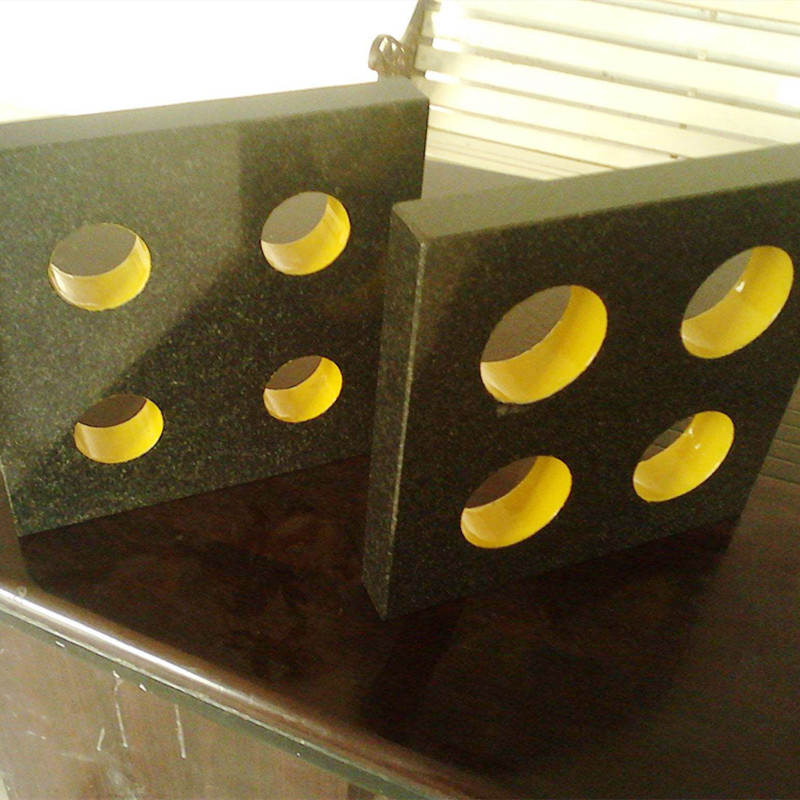
frosted glass manufacturer
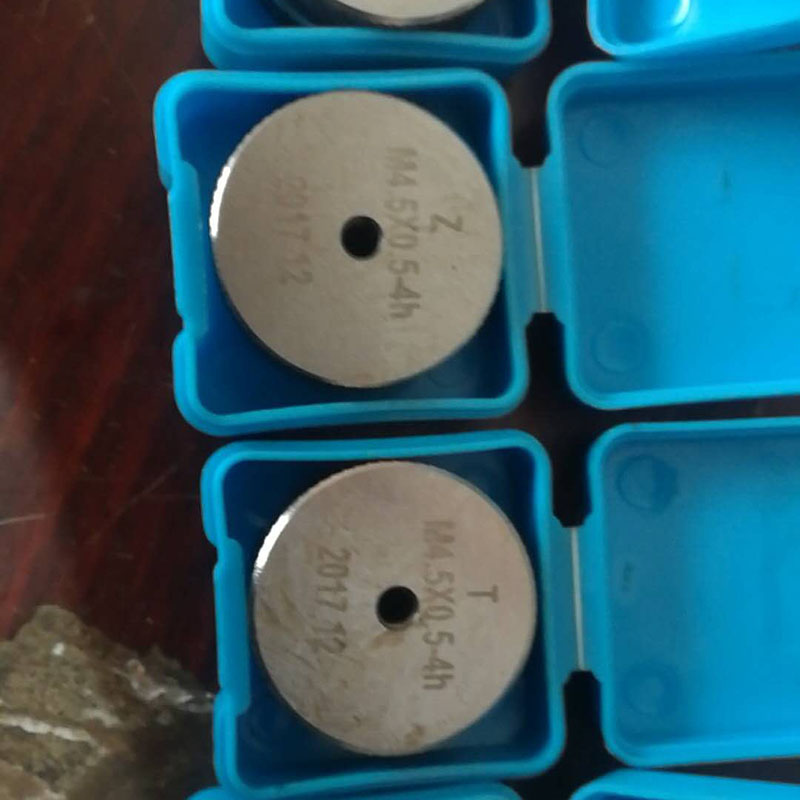
Understanding Small Hole Gauges An Essential Tool for Precision Measurement In the world of manufacturing and engineering, precision is paramount. One of the key tools that facilitate accurate measurement in tight spaces is the small hole gauge. Designed specifically for measuring small diameters and depths, small hole gauges are essential for ensuring quality control in various applications, from automotive parts to aerospace components. What is a Small Hole Gauge? A small hole gauge is a specialized measuring instrument used to assess the diameter of small holes and the depth of pockets or cavities. These gauges come in various designs, but typically, they consist of a tapered rod or a set of rods that can be inserted into the hole. The diameter is then measured either directly from the gauge itself or compared against a calibrated scale. The most common types of small hole gauges include plug gauges, taper gauges, and go/no-go gauges, each designed for specific measurement requirements. For instance, plug gauges are often used to determine whether a hole meets certain diameter specifications, while go/no-go gauges provide a quick means of checking for compliance within specific tolerances. Applications in Industry Small hole gauges find applications in numerous industries. In the automotive sector, they are used to measure the fuel injector holes and valve guides, ensuring that precision is maintained for optimal engine performance. In aerospace, where weight and strength are critical, these gauges help assess holes in airframes and engine components, where even the slightest deviation can lead to catastrophic failures. Moreover, small hole gauges are vital in the manufacturing of medical devices, where the design often incorporates intricate parts requiring precise hole measurements to ensure proper functioning. Even in electronics, small hole gauges are used to verify dimensions in circuit boards and connectors, underscoring their versatility across different sectors. small hole gauge How to Use Small Hole Gauges Using a small hole gauge is relatively straightforward, but it requires a steady hand and a keen eye. To measure a hole, the gauge is inserted into the opening, and the user feels for a snug fit. If the gauge fits too loosely, the hole may be oversized; if it fits too tightly, the hole may be undersized. Once a suitable gauge is found, users can often read the size directly marked on the gauge. For tapered gauges, the point at which resistance is felt quantifies the hole's diameter. After obtaining the measurements, documenting them accurately is crucial, particularly in regulated industries where compliance must be proven. Advantages of Small Hole Gauges One of the primary advantages of small hole gauges is their simplicity and efficiency. They allow for quick checks in a variety of environments, eliminating the need for complex electronic measuring tools in many cases. Lightweight and portable, small hole gauges can be easily transported to various work sites, making them excellent for fieldwork. Additionally, these gauges are typically more cost-effective compared to advanced digital measurement tools, making them accessible for small businesses and startups. Despite their low cost, they can provide high accuracy, particularly when used by skilled operators. Conclusion In conclusion, small hole gauges play a crucial role in ensuring the quality and precision of products across diverse industries. Their straightforward design, versatility, and effectiveness make them indispensable tools for engineers and manufacturers alike. As industries continue to push the boundaries of innovation, the importance of reliable measurement tools like small hole gauges cannot be overstated. Whether for routine checks or critical quality assessments, these gauges remain foundational in achieving precision in manufacturing processes.
about
frosted glass manufacturer
The Importance of Rebar End Caps for Safety in Construction Rebar end caps are an often-overlooked yet essential component in the realm of construction safety. They play a pivotal role in ensuring the integrity and stability of reinforced concrete structures while safeguarding workers from potential hazards. Rebar, short for reinforcing bar, is a steel bar or mesh used to reinforce concrete and masonry structures. It adds tensile strength to the concrete, which is inherently weak in tension. However, the exposed ends of rebar can pose serious safety risks on construction sites. Sharp edges can lead to cuts and puncture wounds, and they can also become tripping or entanglement hazards, especially in a busy, high-traffic environment. End caps are specifically designed to cover these exposed ends, mitigating these risks. Made from materials like plastic or rubber, they fit snugly over the bar ends, dulling the sharp edges and providing a barrier against accidental contact. They not only protect workers from injury but also prevent rust formation on the rebar, thereby preserving its structural integrity. Moreover, rebar end caps contribute to workplace compliance with safety regulations. In many jurisdictions, it is mandatory to use end caps on all protruding rebar to ensure a safe working environment In many jurisdictions, it is mandatory to use end caps on all protruding rebar to ensure a safe working environment In many jurisdictions, it is mandatory to use end caps on all protruding rebar to ensure a safe working environment In many jurisdictions, it is mandatory to use end caps on all protruding rebar to ensure a safe working environment rebar end caps safety . Non-compliance can result in hefty fines, legal liabilities, and more importantly, endanger lives. Beyond safety, rebar end caps also serve a functional purpose. They prevent debris from entering and accumulating around the rebar, which could weaken the bond between the rebar and the concrete. This is particularly crucial during the casting process, as any obstruction could compromise the structural soundness of the final product. In conclusion, rebar end caps are not just a simple accessory; they are a vital element of construction safety. Their use underscores a commitment to worker welfare and adherence to industry standards. It is therefore imperative that every construction site recognizes their importance and implements their use diligently. By doing so, we not only ensure the physical well-being of our workforce but also uphold the durability and resilience of the structures we build. Remember, safety doesn't take a holiday, and neither should our attention to detail when it comes to rebar end caps.
-

High quality industrial productsagement

High quality industrial products
View Details -

Meet the diverse needs of customers

Meet the diverse needs of customers
View Details -

Strict quality control

Strict quality control
View Details -

Top raw materials

Top raw materials
View Details -

Trusted supplier

Trusted supplier
View Details
Our application



news and information
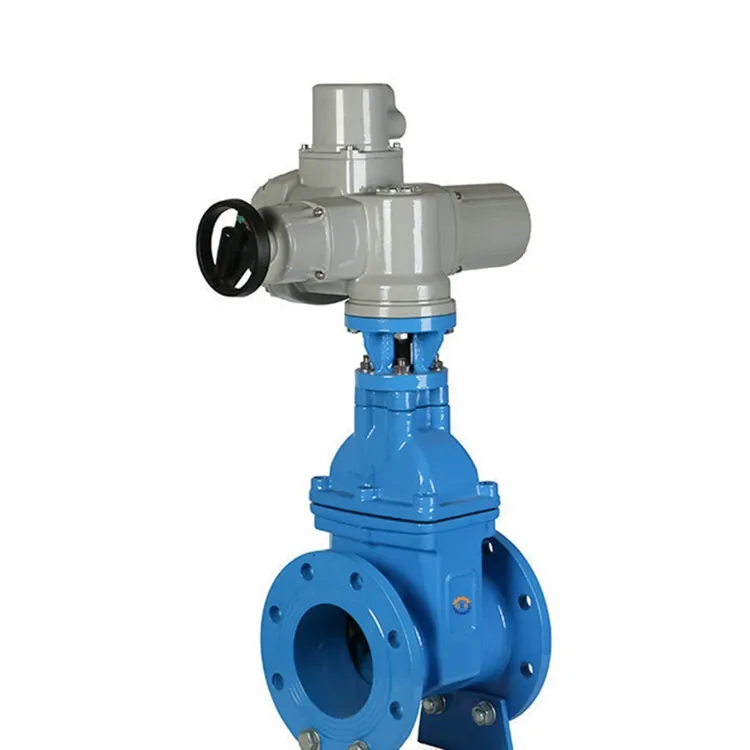
verschiedene Arten von Regelventilen und ihre Anwendungen
Verschiedene Arten von Regelventilen und deren Anwendungen Regelventile spielen eine entscheidende R
Versatile 5 8% Welding Table Clamps for Precision Metalworking and Fabrication
The Importance of 5% and 208% Welding Table Clamps in Modern Fabrication In the world of metal fabri
Wholesale Options for High-Quality Ball Valves in Various Sizes and Materials
The Growing Market for Ball Valve Wholesale Trends and Insights In the world of plumbing and industr
 English